
Shrinkflation—when product sizes shrink but prices stay the same or rise—is becoming more common on grocery shelves. From smaller cereal boxes to fewer chips in a bag, many shoppers are paying more for less without even realizing it. While it’s a frustrating trend, there are ways to fight back, stretch your dollar, and still bring home everything you need.
Here’s how to spot shrinkflation and adjust your grocery strategy to stay ahead of rising prices.
What Is Shrinkflation?
Shrinkflation happens when manufacturers reduce the quantity or size of a product without changing the price. It’s a subtle form of inflation that’s hard to detect unless you closely monitor packaging or unit pricing.
Examples include:
- Yogurt containers shrinking from 6 oz to 5.3 oz
- Toilet paper rolls dropping from 240 sheets to 200
- Snack bags going from 10 oz to 8.5 oz—but priced the same or higher
This trend has increased in recent years due to supply chain pressures, ingredient costs, and labor shortages.
How to Spot Shrinkflation in Stores
- Check the Unit Price
Look for the price per ounce, per count, or per gram on the shelf tag—not just the overall sticker price. This reveals the real cost of the product and makes it easier to compare options.
- Look at Packaging Changes
New “sleeker” designs or “improved” containers can mask a size reduction. Read labels carefully and check the net weight before buying.
- Compare Older Stock to New Batches
If you’re shopping at a store like Stop & Shop or Kroger, scan for older packaging with larger sizes that might still be available at the same price.
Smart Ways to Beat Shrinkflation
- Buy in Bulk or Larger Sizes
In many cases, larger sizes still offer a better price per unit. Look for bulk discounts on pantry staples, paper goods, and frozen items—especially at warehouse clubs like Costco and BJ’s Wholesale Club. - Choose Store Brands
Store-brand items are often less impacted by shrinkflation and already cost 15–30% less than national brands. Stores like Safeway and Giant Eagle offer reliable private-label alternatives. - Use Cashback Apps and Rewards
Even if product sizes shrink, you can offset the cost by stacking rewards. Use Ibotta, Rakuten, or Fluz to earn cashback on purchases.
Fluz allows you to earn cashback with a Stop N Shop gift card or get rewards with a Whole Foods gift card when paying with a gift card purchased through the app. That’s real money back—even if the product is smaller than before.
- Pay Attention to Promotions and Coupons
Sales may make a smaller product worthwhile—but only if paired with a strong discount. Combine digital coupons with store loyalty programs for extra savings. Visit Safeway Just for U to get started. - Shift to Fresh and Whole Foods
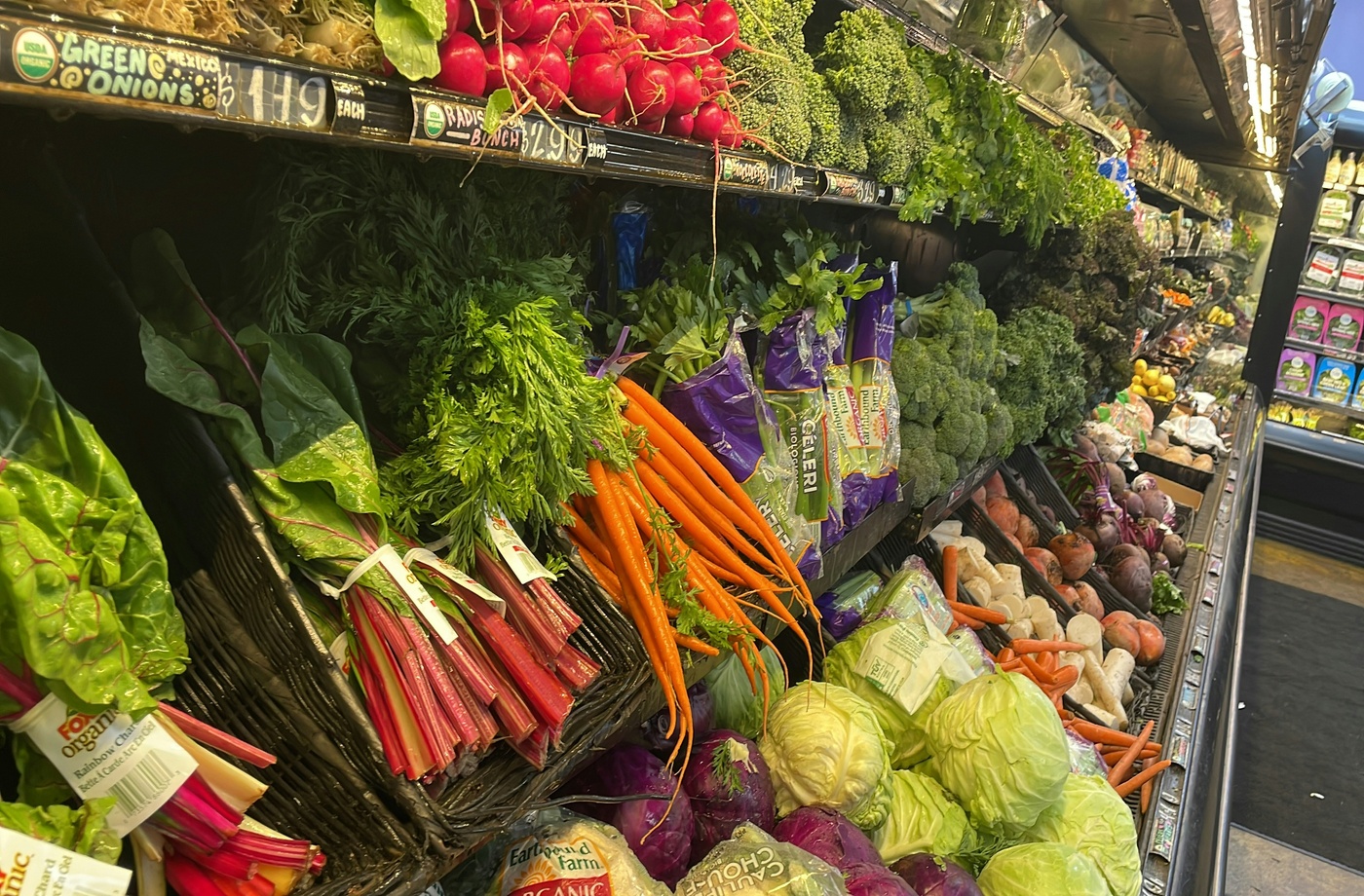
Sometimes processed goods are the first to shrink. Switching to whole ingredients—like fresh produce, dry grains, and homemade sauces—can offer more volume for your money.
Final Thoughts
Shrinkflation isn’t going away anytime soon. But if you know what to watch for—and how to adjust your grocery game—you can keep your costs in check and avoid overpaying for less. Stay alert, compare unit prices, and always look for ways to earn cashback on your everyday spending.


